Psilocybin (pronounced sil-uh-SY-bin) is getting a lot of attention right now. University research and public interest have pushed it into the spotlight. You might hear about it from friends, podcasts, or the news. Because of this, we want to lay out the real clinical facts without the hype.
What It Is
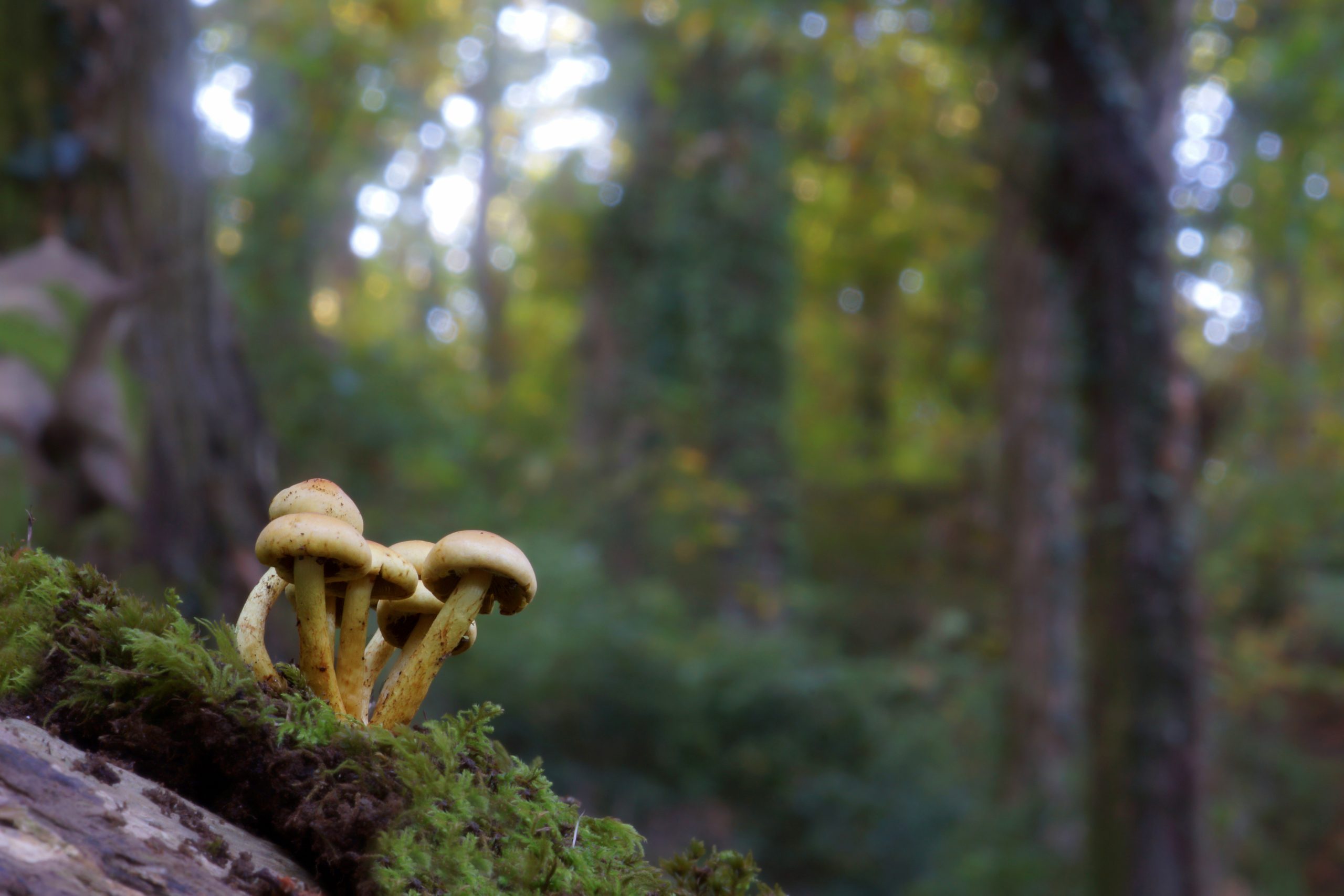
Psilocybin is a natural chemical found in certain mushrooms. Once inside your body, it fits into a specific “lock” in your brain called the serotonin 2A receptor. That connection temporarily increases your brain’s flexibility. It loosens rigid thought patterns and allows new connections to form. This ability to help the brain get “unstuck” is the main reason researchers care.
Where the Evidence Is Strongest
Treatment-resistant depression: Several trials show real improvement for patients who do not get better with standard antidepressants.
End-of-life anxiety: Studies from Johns Hopkins and NYU found major drops in fear and distress. This deeply helps patients facing a terminal illness.
Alcohol use disorder: A 2022 JAMA Psychiatry trial of 93 patients found heavy drinking days dropped to about 10 percent of the time in the psilocybin group, compared to about 24 percent on placebo, over an eight-month period. Roughly half the psilocybin group had quit drinking entirely by the end of the study, compared to about a quarter of the placebo group.
PTSD: this is where the hype outruns the evidence. Most of the headline PTSD results people remember come from MDMA studies, not psilocybin. Psilocybin trials for PTSD are underway, including work with veterans, but the published data is not there yet.
These positive results come from highly structured clinical settings. The patients went through careful screening and deep preparation. Trained guides stayed with them at all times. That exact setup is absolutely essential for the treatment to work safely.
Where the Risks Are
The safety seen in clinical trials does not apply to casual use. Here are a few clear facts:
People with a personal or family history of bipolar disorder or psychosis face a high risk. The drug could make their symptoms much worse.
Psilocybin interacts heavily with other medications. This includes common antidepressants (SSRIs) and lithium.
“Set and setting” (your mindset, your environment, and your support system) are not optional. They create a necessary safety net.
Taking it alone is completely different from taking it in a research center.
Legal Status
Federally, psilocybin remains a Schedule I substance. It is not an FDA-approved medicine for any condition, anywhere in the country.
What varies is what individual states have done on top of that. A handful have built supervised access programs. Oregon was first, licensing facilitated sessions in specific service centers. Colorado followed with licensed healing centers. New Mexico passed the first true medical model in 2025, with a physician-referral program the state expects to open to patients around the end of 2026. Other states have decriminalized personal possession without creating any legal way to obtain it.
A few things are true no matter where you live. None of these programs let you buy psilocybin and take it home. Decriminalization is not the same as medical legalization, and neither one makes something safe. Anything sold to you over a counter or at a booth is operating outside these frameworks.
If you are considering this, the honest first step is finding out what your own state actually permits, because the answer today is very likely different from what it was two years ago.
The IMH Perspective
This guide does not endorse recreational use. We simply want to explain why people are discussing psilocybin so much. We also want to share what the evidence actually shows. You deserve straightforward information, not hype or fear.
Recommended Reading
If you want to look deeper, here is a guide to the current books out there.
How to Change Your Mind by Michael Pollan (2018): This book brought the topic into the mainstream. It is still useful for understanding the history of how we got here, but the science has moved quickly since it was written.
Elders at the Threshold: Psychedelics for Seniors by Jim Tate (2026): Written specifically for this age group. It covers safety issues unique to aging, such as heart health, taking multiple medications, and psychiatric history. It also explains how psilocybin may help with deep end-of-life fears and late-life depression. This book is practical, cautious, and built on facts.
Integral Psychedelic Therapy, edited by Jason A. Butler, Genesee Herzberg, and Richard Louis Miller (2023): This one is worth knowing about, but it is written for therapists and clinicians, not general readers. If you want to see how trained professionals are actually taught to run this kind of therapy, it is a deep and credible resource. If you just want a plain-language overview, the two books above are a better place to start.
The Psychedelic Explorer’s Guide by James Fadiman (2011): We are including this only because many people encounter it online. It predates the modern clinical research era and leans heavily toward personal exploration and microdosing culture. It is not a clinical medical guide.
Stay curious and thrive, Dr. G

Authored by Gerard Guillory, MD
Gerard Guillory, MD, is a board-certified internist who practiced for nearly four decades with a focus on functional, root-cause medicine. He is the author of three books on irritable bowel syndrome and the founder of It’s My Health, where he and his team put current health news in context and help members understand the underlying causes of chronic symptoms.
Get the next IMH Perspective in your inbox.
This article is for educational purposes only and is not medical advice. Psilocybin remains a Schedule I controlled substance under federal law, so consult your health care practitioner before making any decisions related to mental health treatment.